Hip adductors (inner thigh)
The inner thigh. Involved in drawing the leg towards the midline.
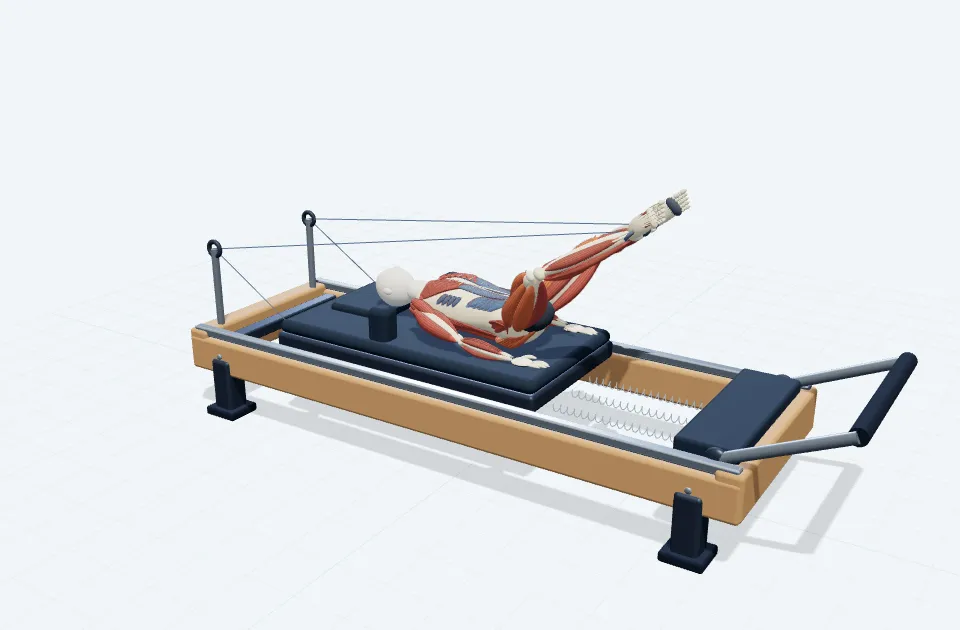
Where is it?
The group of muscles on the inner thigh. They run from the lower part of the pelvis (pubis and ischium) to the back and inner side of the thigh bone. Only the gracilis crosses the knee, attaching to the inner side of the shin bone.
Muscles included: adductor magnus, adductor longus, adductor brevis, gracilis and others
Main actions
- Draw the leg in towards the midline
- Help stabilise the hip
- Help support the pelvis when you stand on one leg
Stretches that lengthen the hip adductors (7)
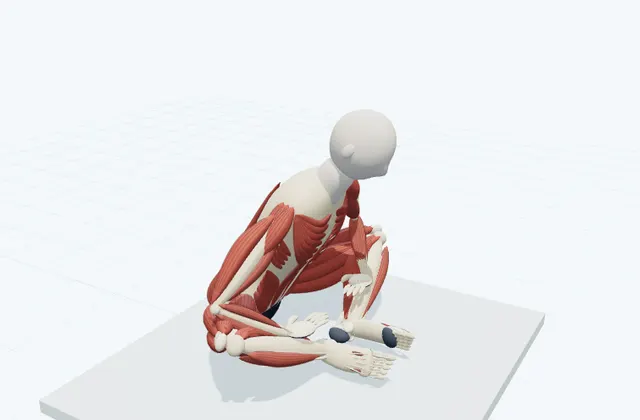
Seated Butterfly Stretch
Adductors
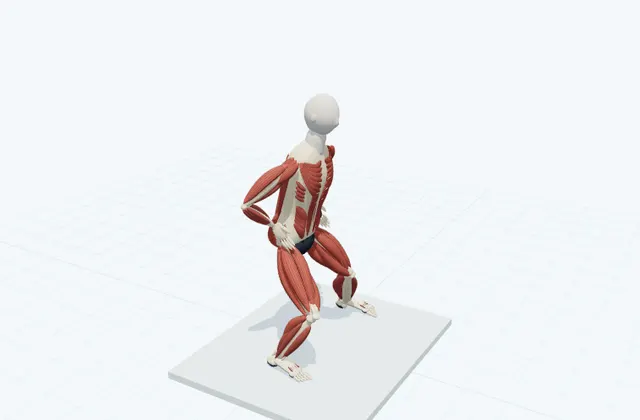
Side Lunge Adductor Stretch
Adductors
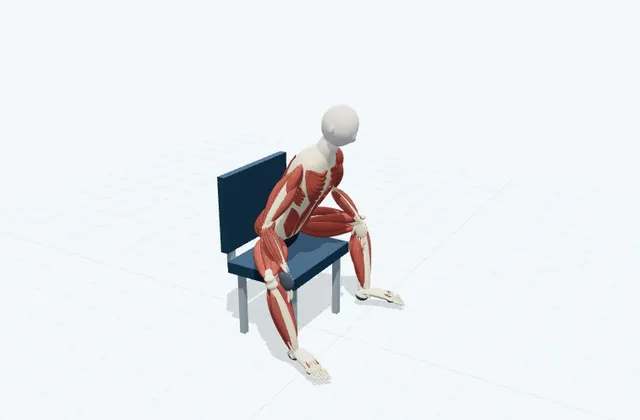
Seated Adductor Stretch
Adductors
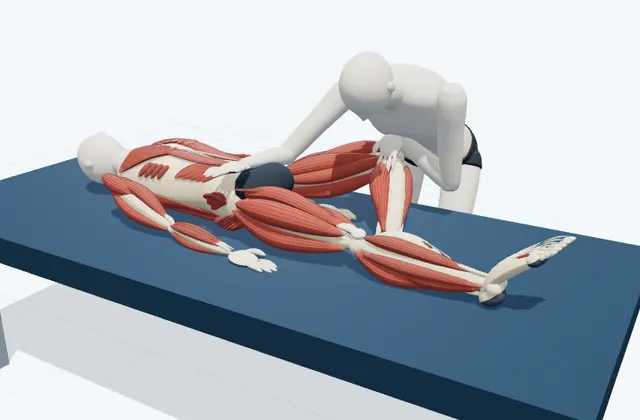
Bent-Knee Adductor Stretch
Adductors and hip abduction
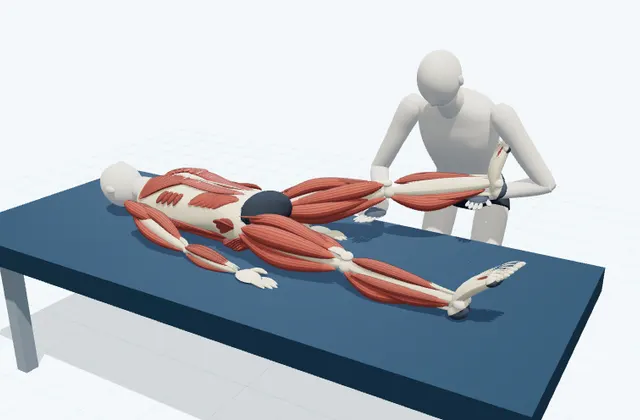
Straight-Knee Adductor Stretch
Adductor longus and gracilis region
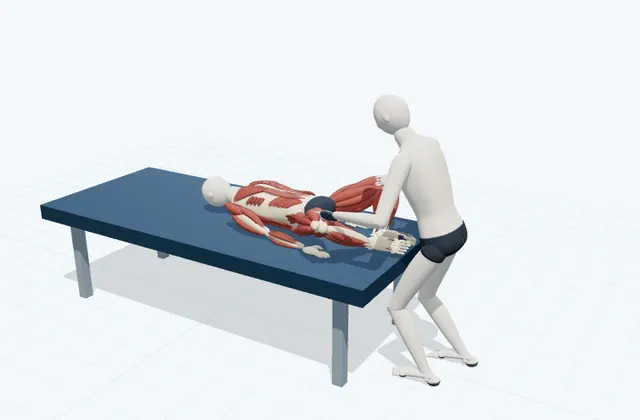
Bilateral Groin Stretch
Adductors (left–right comparison)
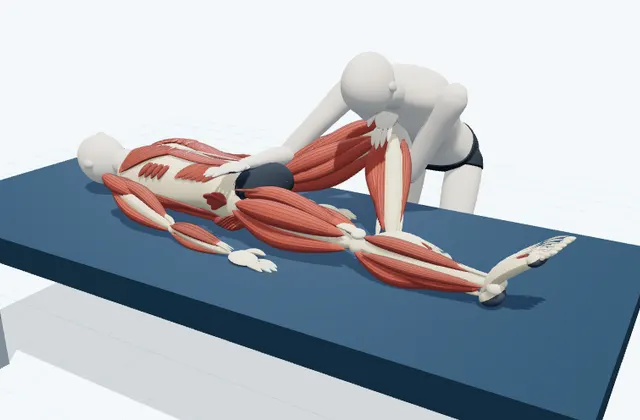
Adductor PNF Stretch
Adductors
When it works in Pilates
They work as the open legs close in Frog and Leg Circles, and in Side Split and Hip Adduction. Check that the pelvis does not tilt and the lower back does not lift away as the legs come together.
Exercises with the hip adductors as a main muscle (7)
Frog
Reformer PilatesReach the heels away and extend both legs on an upward diagonal.
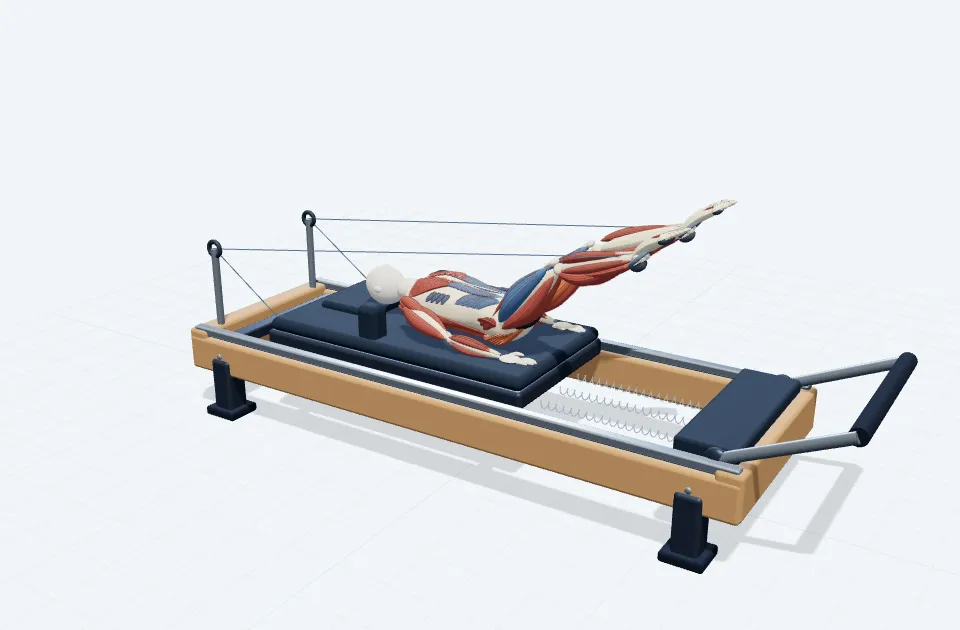
Leg Circles
Reformer PilatesLower the legs a little and open them sideways from the hip joints.
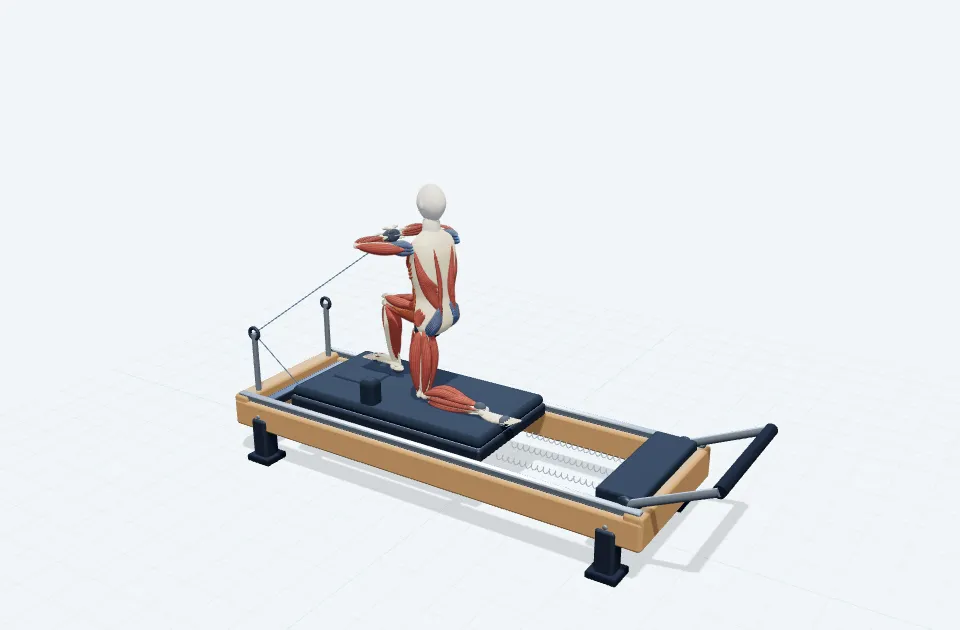
AOS Twist
Reformer PilatesRotate the rib cage as the hands travel diagonally upwards from a low position.
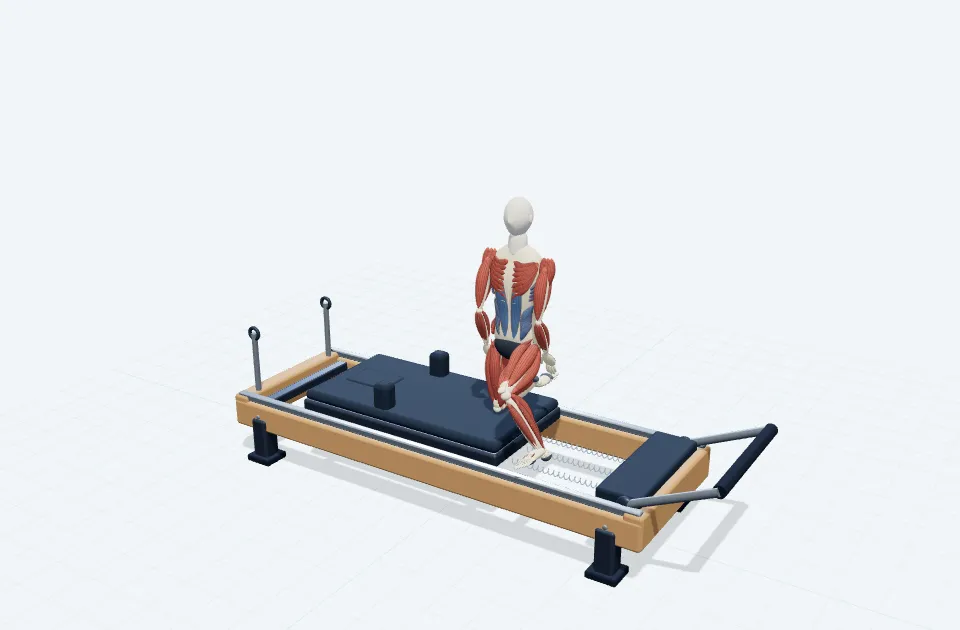
Hip Adduction
Reformer PilatesDraw the knee on the carriage towards the fixed foot.
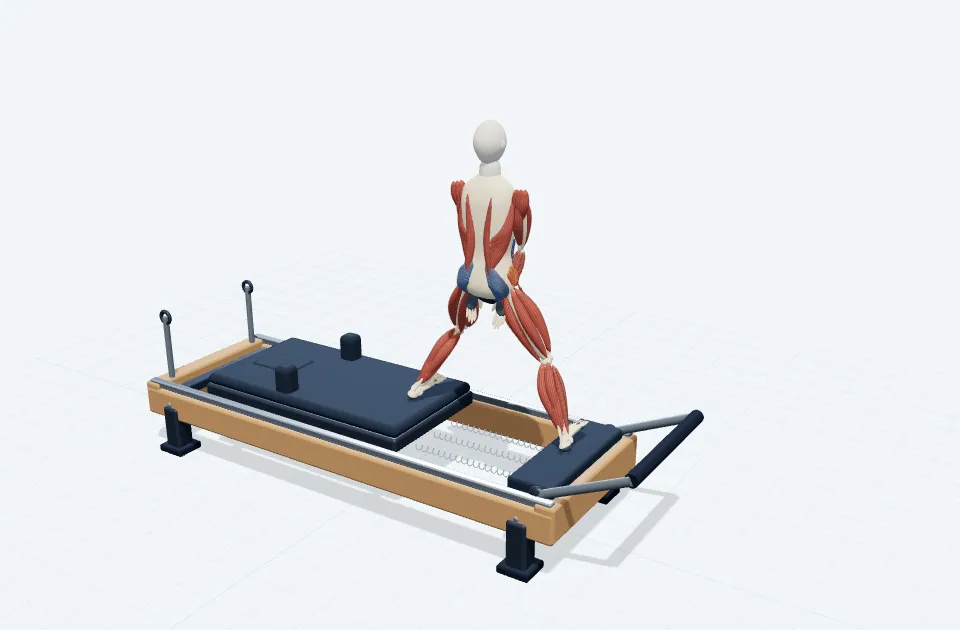
Side Split
Reformer PilatesOpen the legs from the hips while maintaining support through both feet.
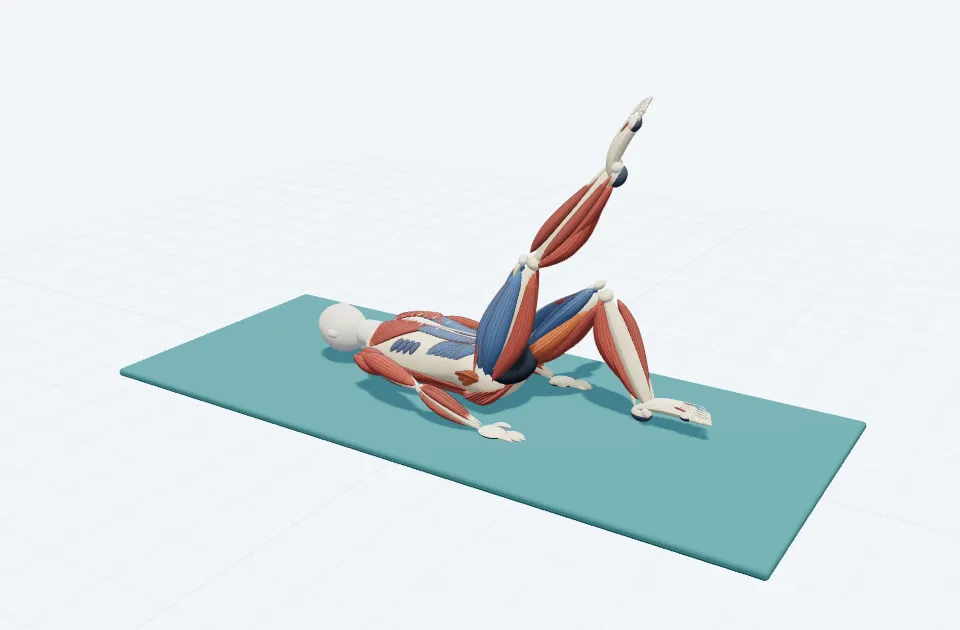
One Leg Circle · Bent Support Leg
Mat PilatesMove the raised leg a little inwards to begin the circle.
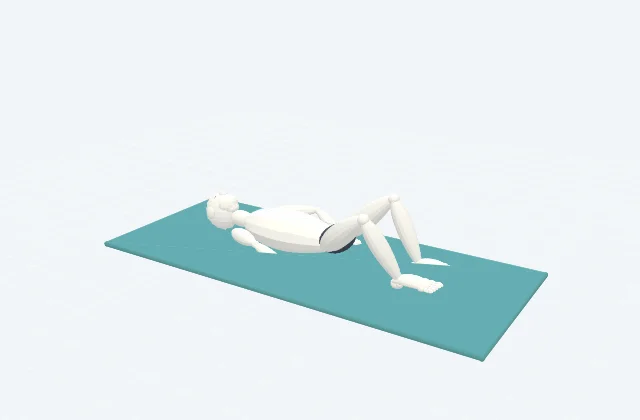
Bent Knee Opening
Mat PilatesOpen the selected knee a little outwards from the hip; let the foot roll slightly while maintaining mat contact.
Exercises with the hip adductors in a supporting role (3)
In daily life
They guide the path of the legs as you walk, and bring the body back after a step to the side.
About this page
The muscle descriptions are general anatomy, and bodies vary. They do not assess your body or promise any particular result. If you feel pain or discomfort, stop and talk to a qualified professional.
Sources, review and revision policy