Hip abductors (side of the hip)
The outer hip. Involved in moving the leg sideways and supporting the pelvis on one leg.
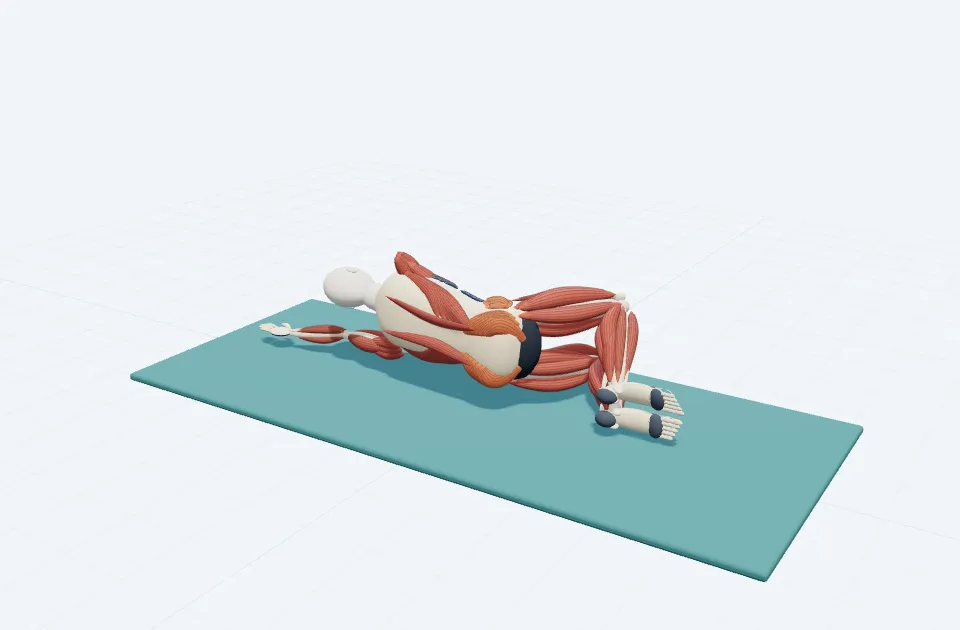
Where is it?
The group of muscles at the upper outer buttock. The gluteus medius and minimus run from the outer pelvis to the bony point on the outer side of the thigh bone (greater trochanter). The tensor fasciae latae runs from the front outer pelvis, through the iliotibial band on the outer thigh, to the outer side of the shin bone.
Muscles included: gluteus medius, gluteus minimus and tensor fasciae latae
Main actions
- Take the leg out to the side
- Stop the pelvis dropping on the opposite side when you stand on one leg
- Help rotate the hip inwards and outwards
Stretches that lengthen the hip abductors (3)
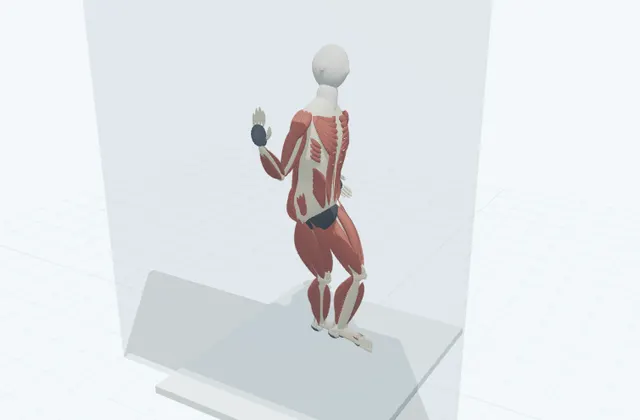
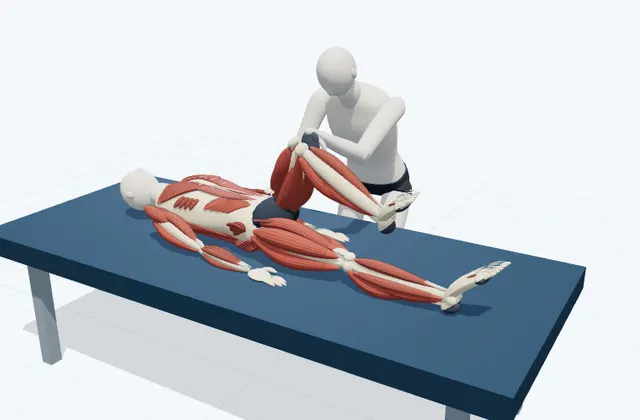
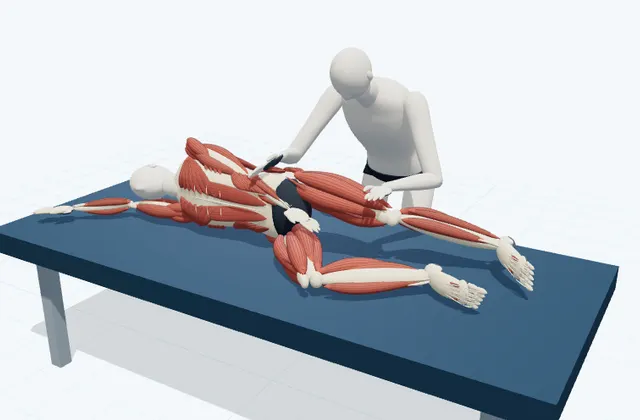
When it works in Pilates
They work in side-lying exercises such as Side-Lying Clam, Side-Lying Leg Lift and Side Kick, and in standing exercises where one leg supports you. Check that the pelvis does not roll backwards as the leg opens.
Exercises with the hip abductors as a main muscle (8)
Side-Lying Clam
Mat PilatesKeep the feet together while opening the upper knee slowly from the hip.
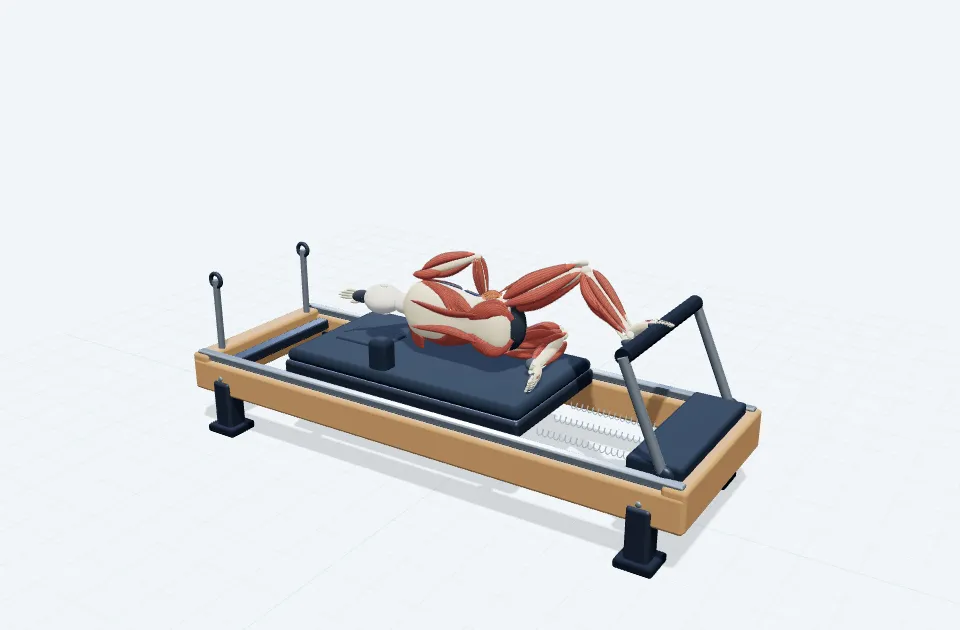
Side Lying Clamshell
Reformer PilatesKeep the foot supported while opening the upper knee from the hip.
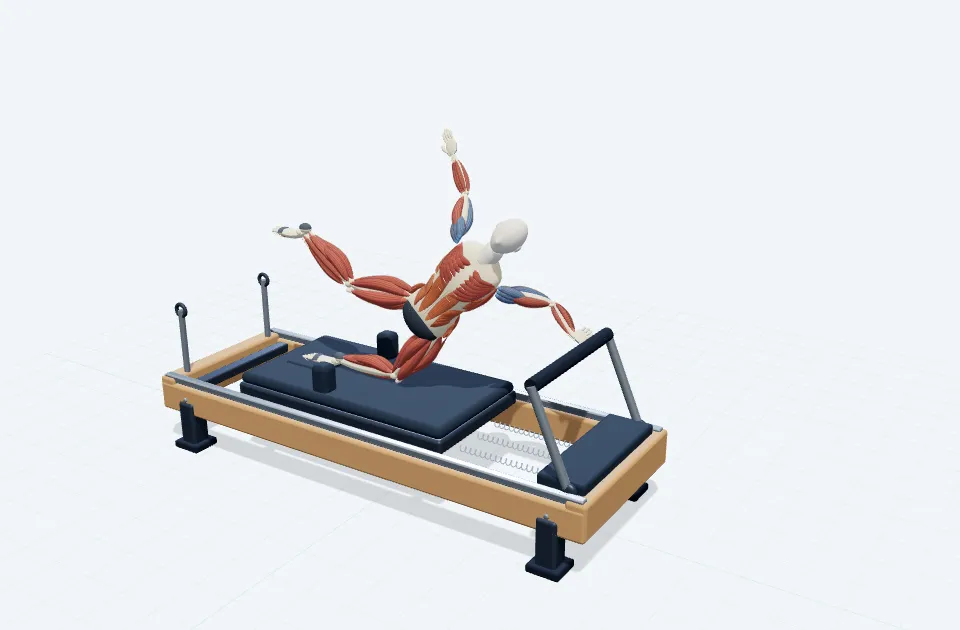
Kneeling Side Plank
Reformer PilatesRaise the upper arm and extend the leg on the same side outwards.
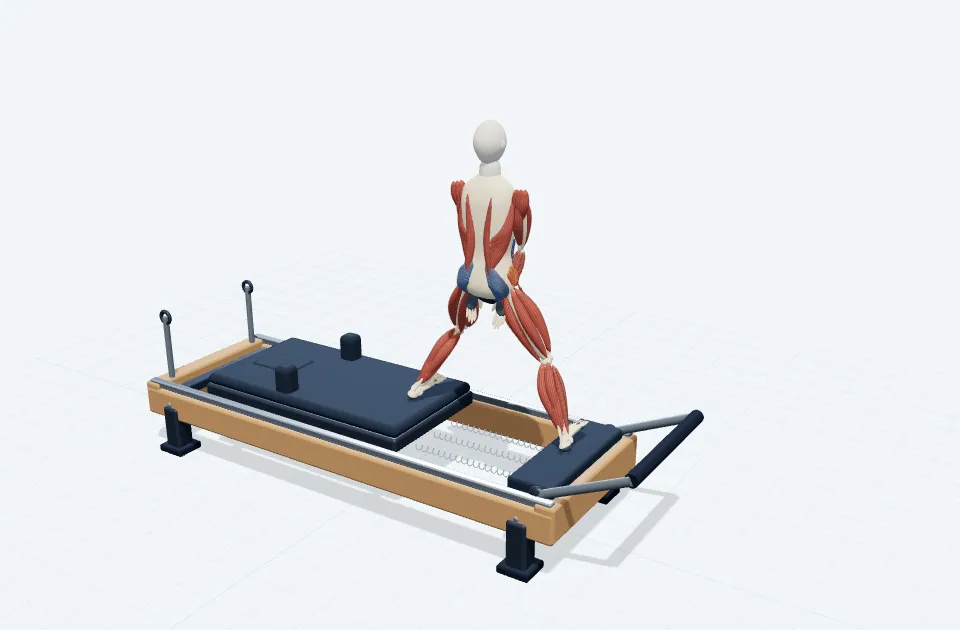
Side Split
Reformer PilatesOpen the legs from the hips while maintaining support through both feet.
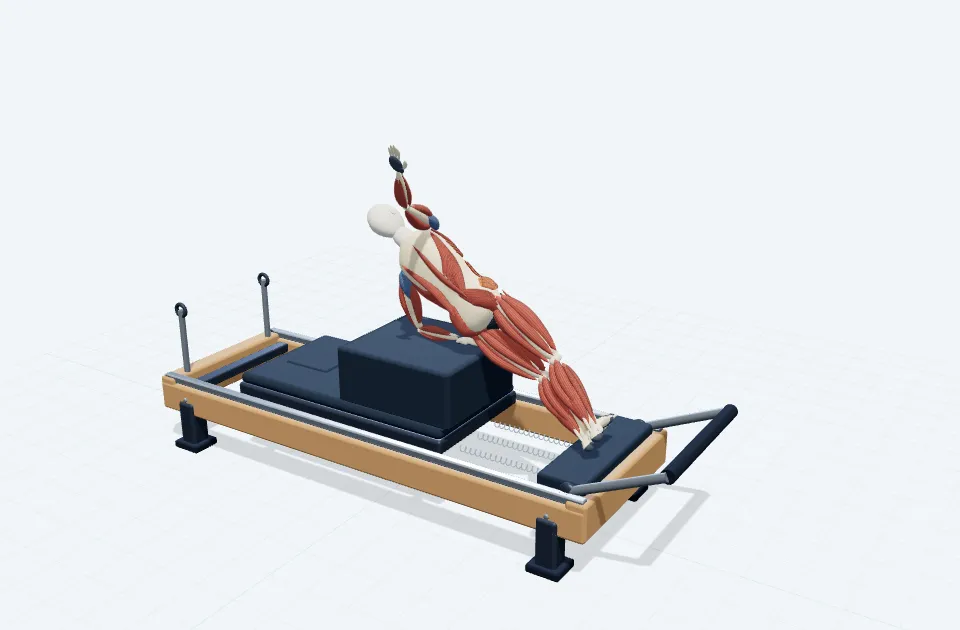
Standing Side Plank
Reformer PilatesMaintain trunk support while opening the upper arm towards the ceiling.
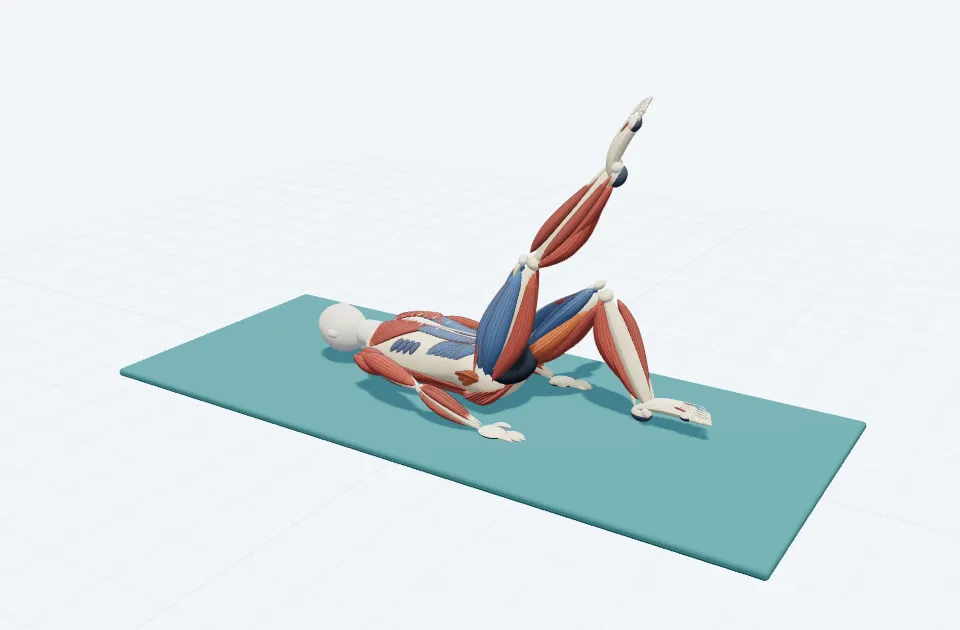
One Leg Circle · Bent Support Leg
Mat PilatesMove the raised leg a little inwards to begin the circle.
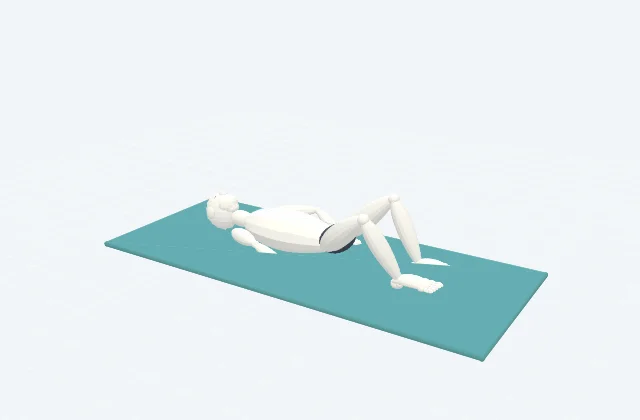
Bent Knee Opening
Mat PilatesOpen the selected knee a little outwards from the hip; let the foot roll slightly while maintaining mat contact.
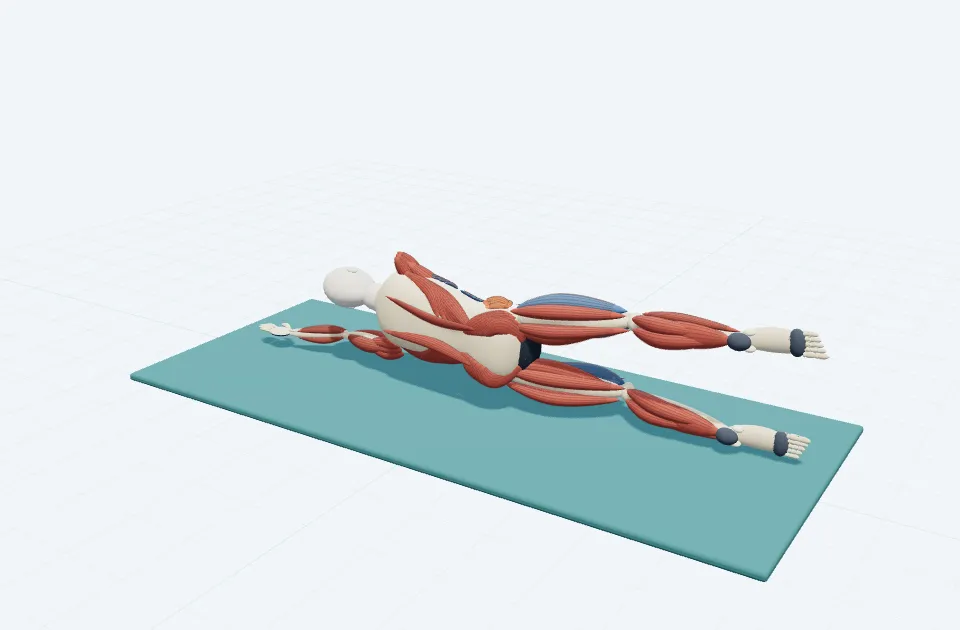
Side-Lying Leg Lift
Mat PilatesLift the upper leg a little from the hip while keeping it long.
Exercises with the hip abductors in a supporting role (2)
In daily life
They keep the pelvis level at the moment you stand on one leg as you walk, and on stairs going up and down.
About this page
The muscle descriptions are general anatomy, and bodies vary. They do not assess your body or promise any particular result. If you feel pain or discomfort, stop and talk to a qualified professional.
Sources, review and revision policy