Radial Nerve Glide | Self-stretch in 3D
Radial Nerve Glide: seated (chair), radial nerve pathway (thumb side and back of the arm). Preparation, 4 movement phases, points to check and cautions, with a 3D model you can pause and rotate.
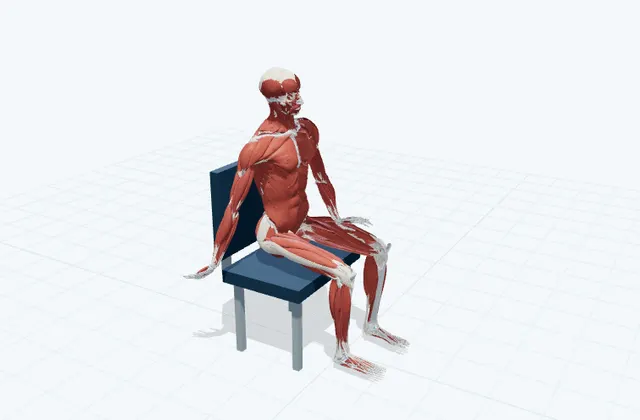
Position and focus
Seated (chair) · Radial nerve pathway (thumb side and back of the arm)
Small, pain-free movements to glide the radial nerve pathway (thumb side and back of the arm).
Starting position
Sit on a chair with the left hand on your thigh. Let the right arm hang beside the body with the palm facing it.
Movement phases
1. Set up
Sit tall and keep the head straight.
2. Small movements
Let the shoulder drop, turn the arm in and take it slightly back, and bend the wrist towards the palm as you tilt the head towards the arm. Bring the arm and head back.
3. Slightly larger range
Take the arm back a little further, as long as the feeling in the arm and the back of the hand does not change.
4. Smaller and stop
Make the movements smaller and stop with the arm hanging.
What to check yourself
Check that the shoulder does not hunch and that the head tilts towards the arm as the wrist bends.
Caution
Stop if you feel sharp pain, numbness, dizziness, shortness of breath or anxiety. If you are receiving treatment, recovering from surgery or pregnant, check with your healthcare professional first. Think of a nerve glide as sliding rather than stretching, and keep the movements small. Stop if you feel numbness, tingling or pain, or if a sensation stays after moving. If you are receiving treatment for numbness or pain, check with your healthcare professional first.
These English notes describe a prototype model. Stretch and foam roller lessons have not yet been reviewed by the supervising instructors. They are not medical advice or an individual exercise prescription.
References and scope
Basson A et al. The Effectiveness of Neural Mobilization for Neuromusculoskeletal Conditions: A Systematic Review and Meta-analysis. J Orthop Sports Phys Ther. 2017 ↗
A review of research on nerve gliding movements (neural mobilisation): combining joint movements to move the nerve pathway a little at a time.
Related lessons
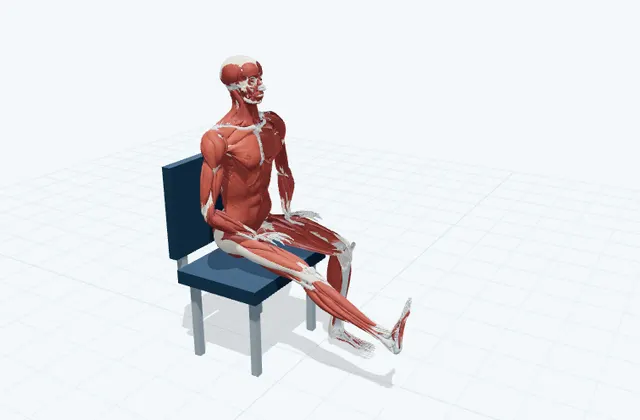
Seated Sciatic Nerve Glide
Self-stretch
Sciatic nerve pathway (back of the leg)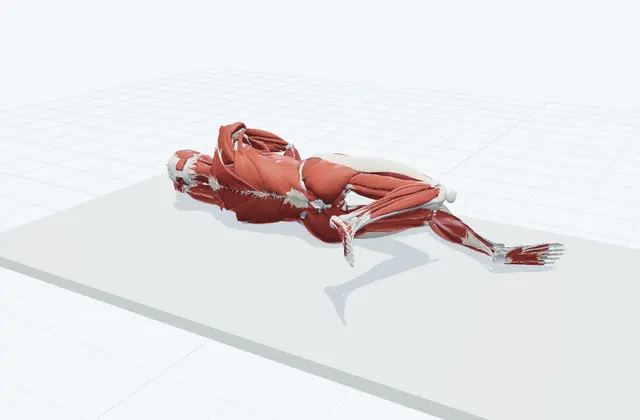
Side-Lying Femoral Nerve Glide
Self-stretch
Femoral nerve pathway (front of the thigh)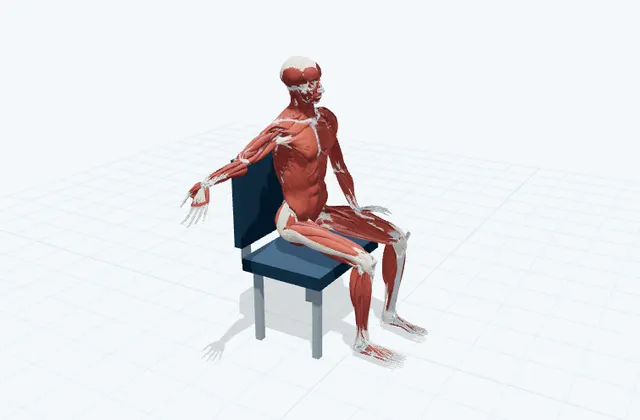
Median Nerve Glide
Self-stretch
Median nerve pathway (front of the arm, palm side)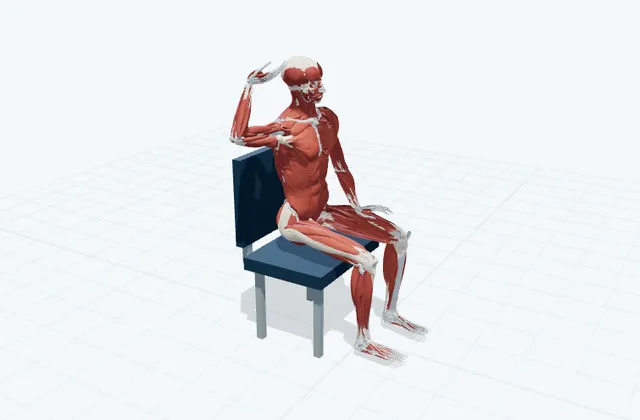
Ulnar Nerve Glide
Self-stretch
Ulnar nerve pathway (little-finger side of the arm)