Arm Open-and-Close Swing | Self-stretch in 3D
Arm Open-and-Close Swing: standing, chest and front of the shoulders. Preparation, 4 movement phases, points to check and cautions, with a 3D model you can pause and rotate.
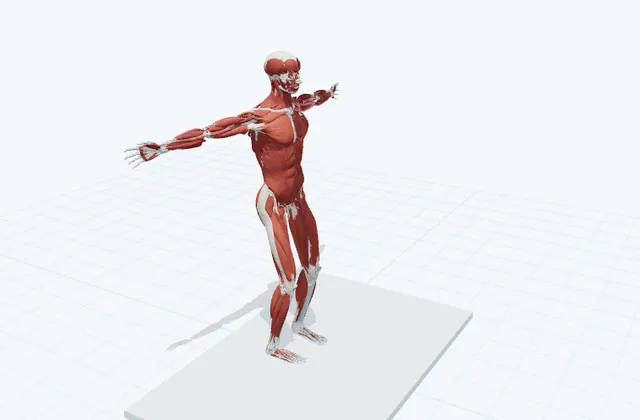
Position and focus
Standing · Chest and front of the shoulders
A dynamic stretch for the chest and front of the shoulders, moving through a gradually larger range. It can also be used to prepare before exercise.
Starting position
Stand with the feet hip-width apart and reach both arms forwards at shoulder height.
Movement phases
1. Set up
Keep the shoulders down and the neck long.
2. Small openings
Open the arms out to the sides and bring them back in front of the chest, in a small range.
3. Larger openings
Open the arms wider, as long as there is no pinching feeling at the front of the shoulder.
4. Smaller and stop
Make the movement smaller, stop with the arms in front and lower them.
What to check yourself
Check that the lower back does not arch and the shoulders do not hunch as the arms open.
Caution
Stop if you feel sharp pain, numbness, dizziness, shortness of breath or anxiety. If you are receiving treatment, recovering from surgery or pregnant, check with your healthcare professional first.
These English notes describe a prototype model. Stretch and foam roller lessons have not yet been reviewed by the supervising instructors. They are not medical advice or an individual exercise prescription.
References and scope
Behm DG et al. Acute effects of muscle stretching on physical performance, range of motion, and injury incidence in healthy active individuals: a systematic review. Appl Physiol Nutr Metab. 2016 ↗
A review comparing the immediate effects of static, dynamic and PNF stretching, and the use of moving stretches before activity.
Related lessons
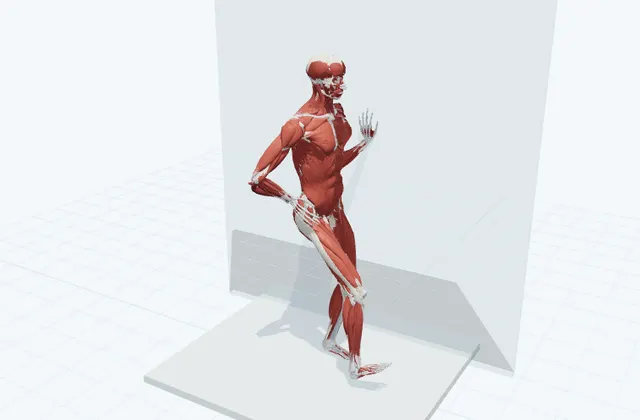
Front-and-Back Leg Swing
Self-stretch
Hip, front to back (back of the thigh and front of the hip)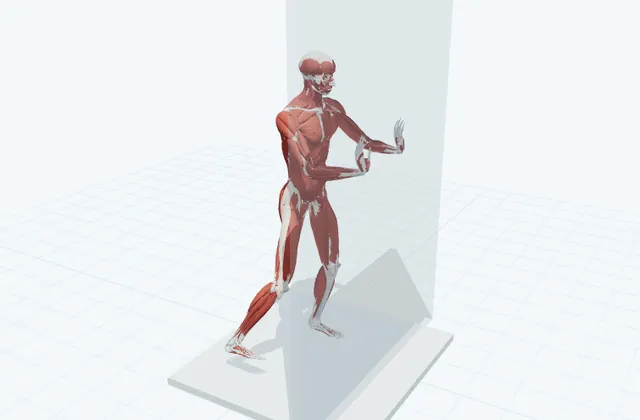
Side-to-Side Leg Swing
Self-stretch
Hip, side to side (inner thigh and side of the hip)
Standing Trunk Rotation
Self-stretch
Spinal rotation and trunk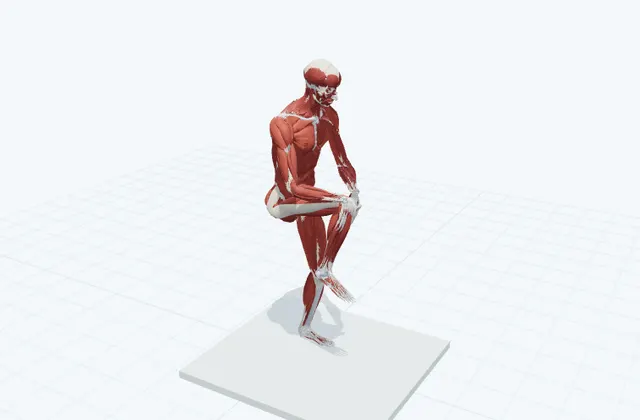
Alternating Knee Hug
Self-stretch
Glutes and back of the hip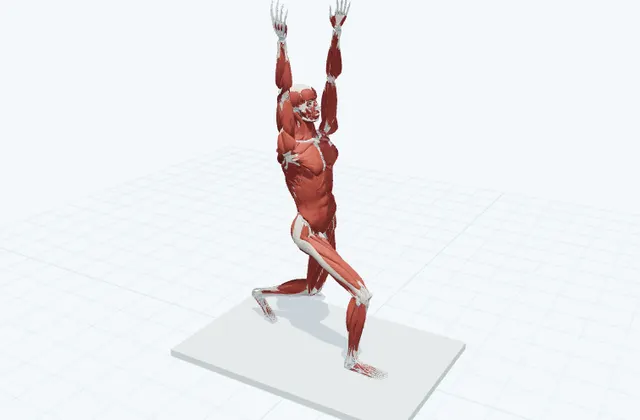
Split-Stance Lunge with Overhead Reach
Self-stretch
Front of the hip and front of the body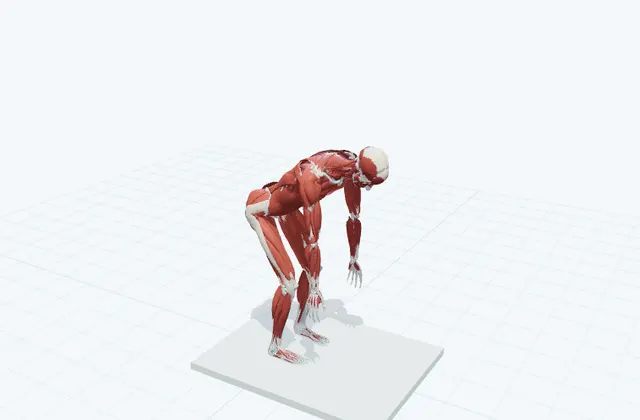
Hip Hinge Sweep
Self-stretch
Back of the thigh and glutes