PROTOTYPEFree access during the prototype. Professional review is pending.
INSTRUCTOR FIELD GUIDE
Plan your teaching around the person.
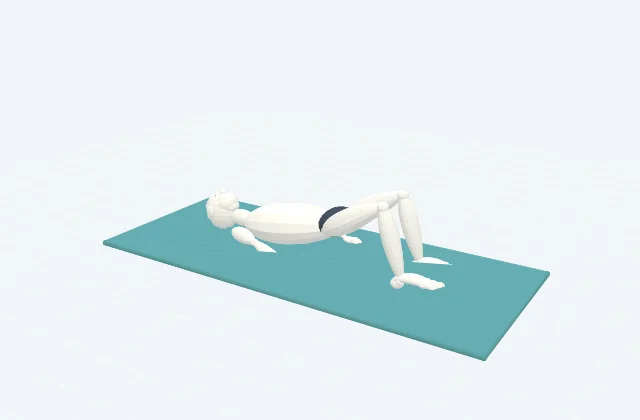
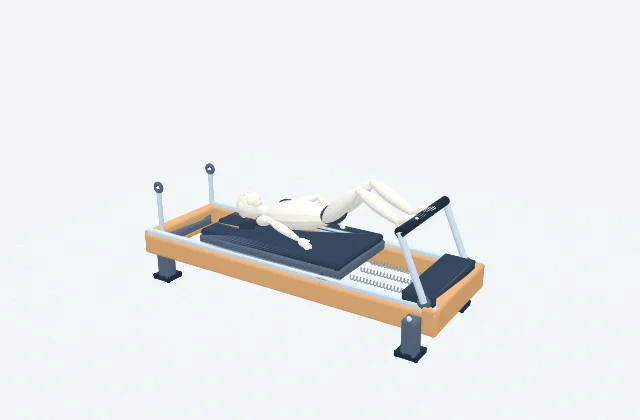
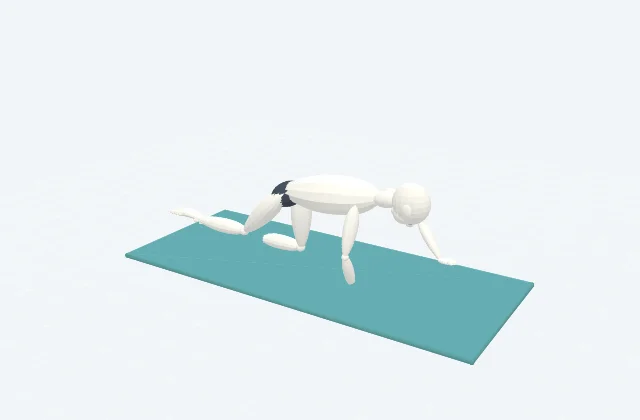
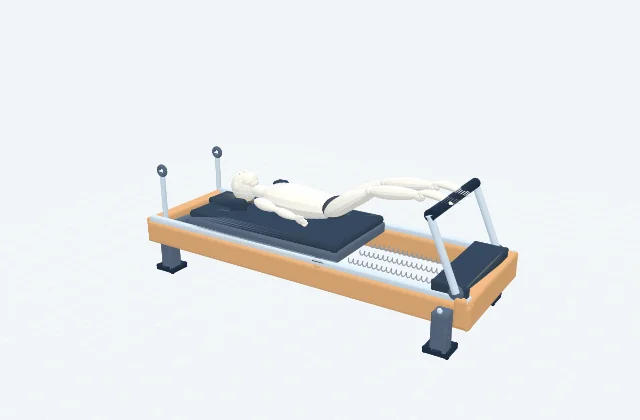
Explore five concerns: neck posture, an arched lower back, a rounded back, rounded shoulders and stiffness after sitting. Compare mat and reformer candidates, reasons and teaching cues in one place.
A posture label alone cannot establish a cause or a suitable exercise. These learning candidates use the existing 3D lessons. Professional review, including review of the selections, is pending; this is not diagnosis, treatment or an individual exercise prescription.
Before the session: checks and when to seek advice
Ask about goals, experience, pain, tingling and clinical restrictions. Tailor exercises, repetitions and resistance; the candidates are not a routine to complete in full.
Stop movements that increase pain. Seek clinical advice before exercise for persistent pain or tingling, after injury, or when suitability is uncertain.
Do not start exercise with sudden severe pain, rapidly worsening weakness, symptoms in both legs or changes in bladder or bowel control. Seek prompt medical assessment; use local emergency services for an emergency.
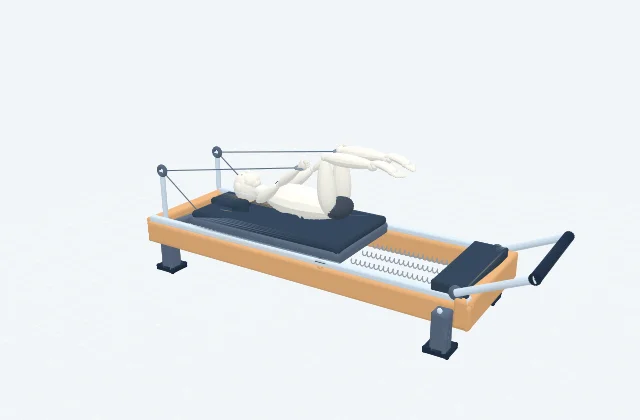
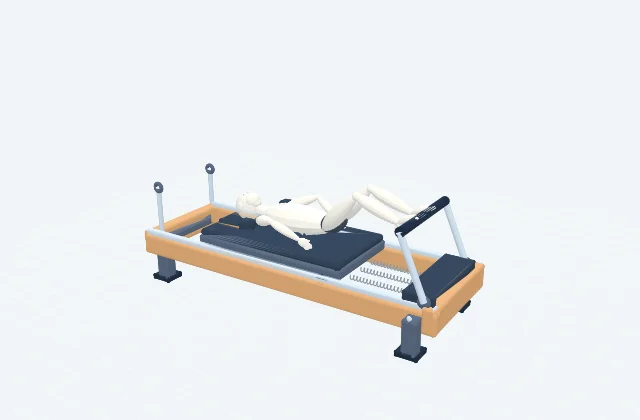
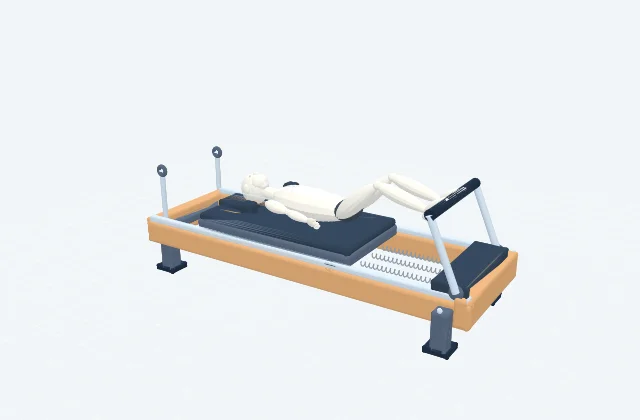
Check springs, footbar and headrest against the machine instructions and your training. Spring colours and counts are not interchangeable between machines.
CHOOSE A FOCUS
Explore a concern
Open a concern to prepare for teaching.
Showing mat and reformer candidates. Choose exercises and their order to suit the individual.
01
Neck posture
Head support, arms and rib-cage movement
Start by observing
Check comfortable breathing with the head supported, and whether arm movement brings excess effort into the neck.
How to frame it
Invite a comfortable supported head position and exploration of arm movement, rather than asking for a particular neck shape.
Mat candidates
3 lessons
WHY EXPLORE IT
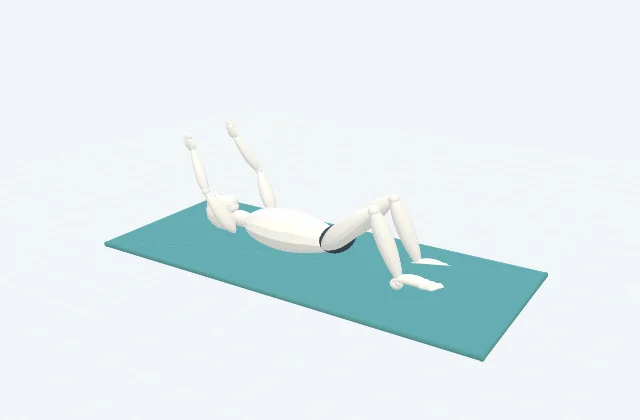
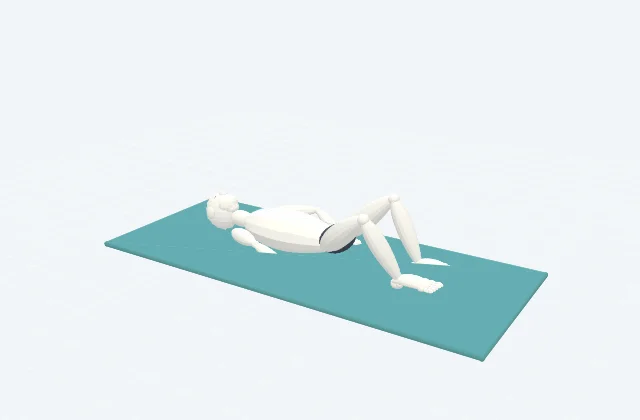
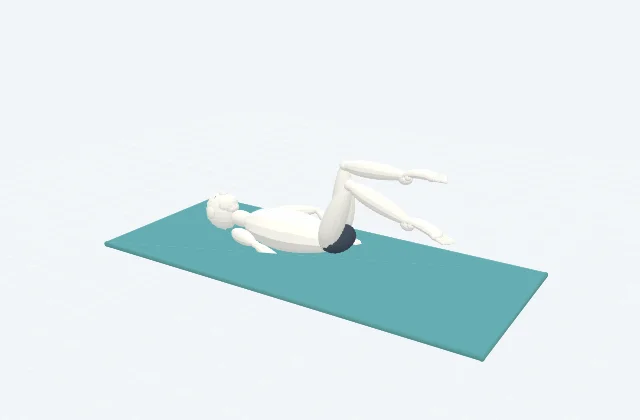
Arm Arcs · Overhead Reach
Observe the arms and rib cage with the head resting on the mat.
Observe
Watch for a large change in chin, rib or lower-back position as the arms rise.
Cue
“Keep breathing and lift your arms only as far as feels comfortable.”
Ways to reduce the demand
Use a smaller arm arc, bending the elbows if needed.
These foundational movements from the available 3D lessons explore support and movement. Consider candidates in relation to your teaching purpose and the person’s experience, movement and feedback. The candidates are not an efficacy ranking.
Care and activity guidance: NHS — Neck pain / NHS — Back pain. These sources do not validate the effectiveness of this page’s exercises or combinations.